


Choose with Confidence | Move with Purpose | Thrive with Possibilities
Education is evolving, and the environments that support learning must evolve with it. Today’s students are expected to collaborate, think critically, adapt quickly, and engage in increasingly personalized learning experiences. At the same time, educators are balancing multiple instructional modes, rising classroom complexity, and a growing emphasis on student well-being and belonging.
Schools are no longer simply places where information is delivered. They are dynamic ecosystems that shape how students learn, how educators teach, and how communities connect. As learning continues to evolve, these environments must evolve with it.
“Learning without limits” is about designing environments that adapt to the needs of students, their educators and the administration that guides them. The learner and educator shouldn’t have to adapt to the environment; the environment should adapt to them. When spaces intentionally support choice, movement, flexibility, and well-being, they enable students to take ownership of their learning, empower educators to teach more effectively, and help schools build stronger culture and connection.
Through intentional design, furniture, and spatial planning, learning environments can do more than support instruction. They can actively expand what is possible by helping students engage more deeply, feel more energized, and experience greater inclusion throughout the school day.
This framework can be understood through three connected pillars:
- Choose with Confidence
- Move with Purpose
- Thrive with Possibilities
Together, these principles define what it means to design learning environments that are flexible, energized, responsive, and are inclusive of all learners.
Choose with Confidence
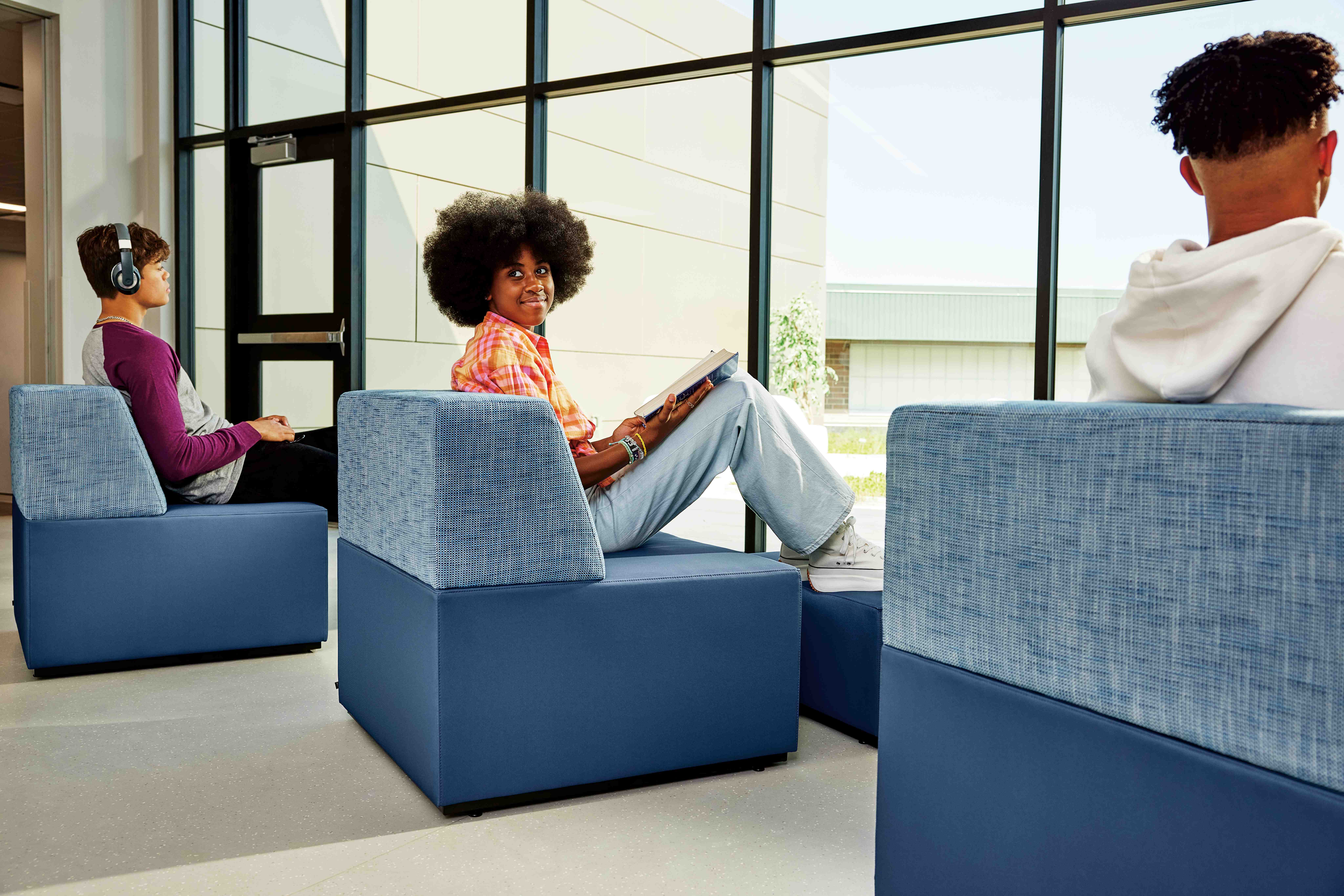
At the heart of effective learning environments is choice. When students are given meaningful options in how and where they learn, they develop confidence, autonomy, and ownership over their learning experience. Choice is not about excess—it is about intentional flexibility that supports different learners, tasks, and moments in the school day.
In practice, “Choose with Confidence” shows up through environments that offer varied postures, seating types, collaborative zones, quiet focus areas, and adaptable furniture that can shift based on instructional needs. These choices allow students to better understand how they learn best, while increasing engagement and participation.
For educators, choice creates instructional freedom. Teachers can move fluidly between whole-group instruction, small-group collaboration, and independent work without being constrained by rigid room layouts. The environment becomes a tool that supports pedagogy, rather than limiting it.
A widely cited analysis highlights that flexibility and a student’s sense of ownership account for just over a quarter of the academic improvements attributed to classroom design.
Human Impact of Choice
- Students: Students gain ownership of their learning through comfort, autonomy, and adaptability. When environments support individual preferences, learners are more engaged, focused, and willing to participate.
- Educators: Teachers gain flexibility to adapt instruction in real time, responding to student needs without structural barriers.
- Administrators: Flexible environments improve long-term space utilization and allow schools to adapt to changing curriculum and enrollment needs.
Grade-Level Lens
- Elementary: Choice supports exploration, movement, and sensory engagement through flexible, playful environments.
- Middle School: Choice reinforces identity development and independence through varied learning settings.
- High School: Choice mirrors real-world environments where students learn self-directly and make purposeful decisions.
Choice is the entry point to ownership. When students are given meaningful options in how they learn, where they engage, and how they demonstrate understanding, they begin to see themselves as active participants in their education rather than passive recipients. But choice is only the beginning.
Move with Purpose
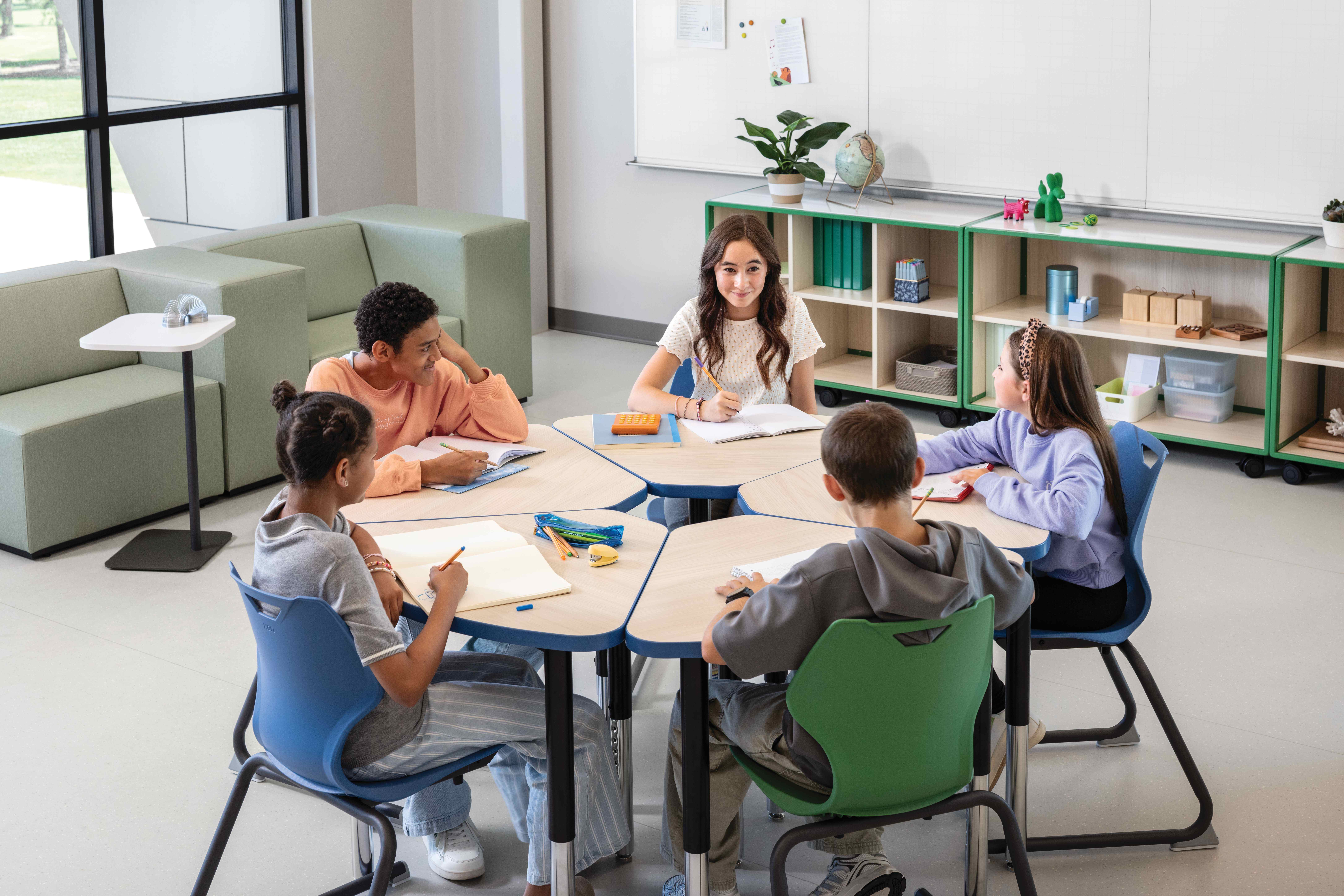
Learning is active. It is not confined to a single posture, station, or instructional mode. It shifts throughout the day from instruction to collaboration to reflection, and learning environments must support those transitions seamlessly.
“Move with Purpose” is about designing spaces that enable fluidity without disruption. Movement is not chaos; it is an essential part of engagement, energy, and cognitive function.
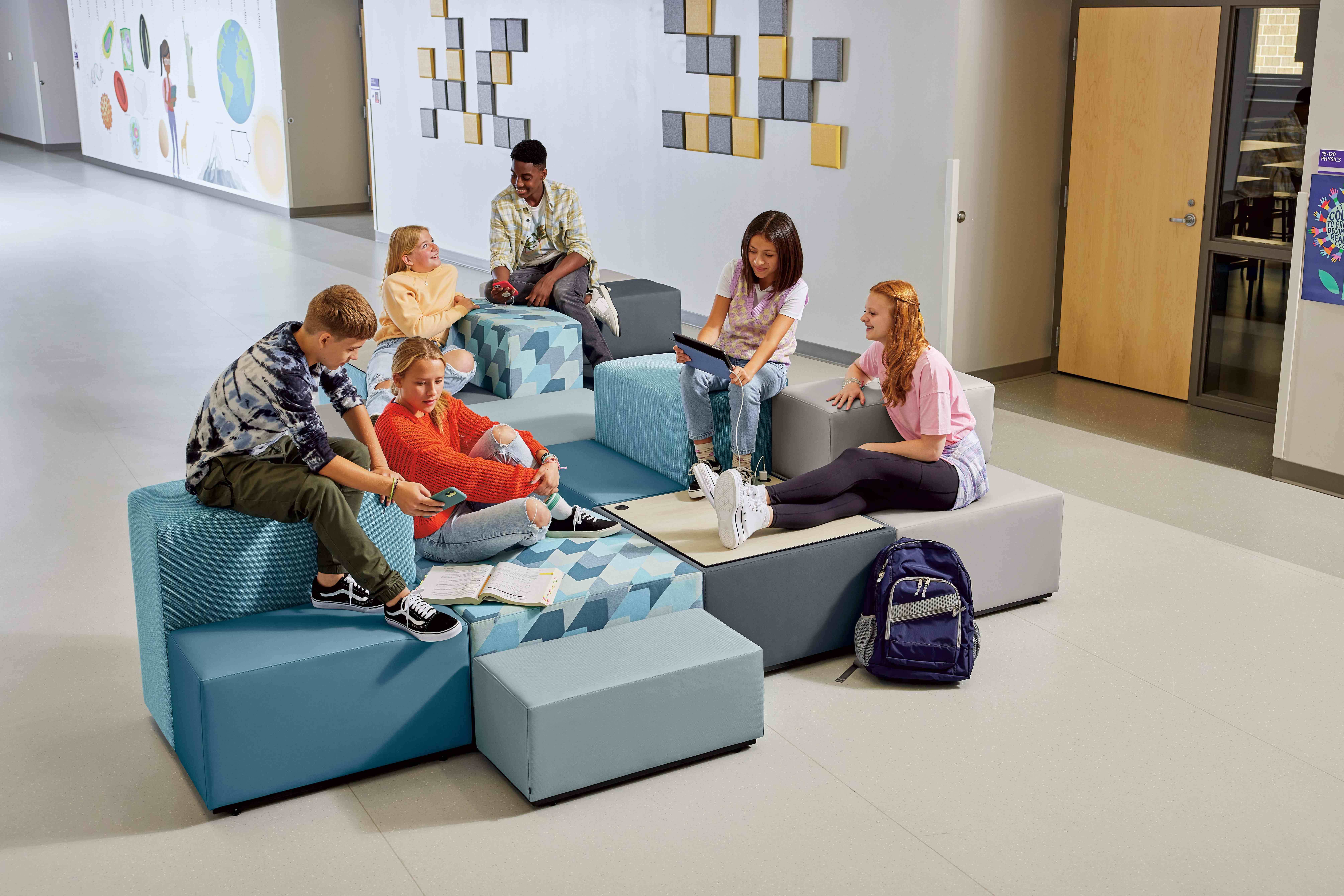
Flexible furniture, mobile elements, and adaptable layouts allow classrooms to transform based on activity. This supports both students and educators by reducing friction during transitions and maintaining learning momentum.
Research from the University of Salford found that differences in the physical characteristics of classrooms can explain 16% of the variation in student learning progress over a school year.
Furniture also plays a central role in the learning environment, affecting posture, comfort, interaction, and students’ physical responses and performance.
Human Impact of Movement
- Students: Students move naturally between collaboration, independent work, and presentation, maintaining engagement and reducing fatigue.
- Educators: Teachers can shift instructional strategies more easily, supporting dynamic, responsive teaching practices.
- Administrators: Flexible layouts maximize space efficiency and allow rooms to serve multiple purposes throughout the day.
NCES data also highlights the time constraints educators face: public school teachers reported an average of 53 minutes of dedicated planning time during a typical school day. This reinforces the need for environments that can adapt efficiently to instructional realities.
Grade-Level Lens
- Elementary: Movement supports active learning, hands-on exploration, and energy regulation.
- Middle School: Movement supports collaboration, peer interaction, and structured independence.
- High School: Movement supports transitions between academic, technical, and career-focused learning environments.
Even the most adaptable environments must do more than support activity; they must also support the people within it. When movement is purposeful and transitions are seamless, design becomes less about change itself and more about what that change makes possible: deeper learning, stronger connection, and more meaningful participation.
Thrive with Possibilities

Thriving in school extends beyond academics. It includes emotional well-being, belonging, inclusivity, and the ability to feel safe and supported within a learning environment.
“Thrive with Possibilities” focuses on creating environments that strengthen connection between students, educators, and the broader school community. These are spaces where people feel seen, supported, and empowered to succeed.
Design plays a critical role in this. Lighting, acoustics, comfort, color, and spatial variety all contribute to how individuals experience a learning environment on a daily basis. Inclusive and restorative spaces are especially important as schools support increasingly diverse learner needs, including neurodiverse populations.
Inclusive design research emphasizes that learning environments must support cognitive, sensory, and social diversity through psychological safety, flexibility, and restorative design principles
At a broader level, NCES data underscores the age and condition of many school facilities in the U.S., reinforcing the urgency of creating environments that better support modern learning needs.
Human Impact of Belonging
- Students: Students feel more confident, included, and emotionally supported in environments designed for well-being.
- Educators: Teachers experience improved morale, reduced stress, and stronger professional satisfaction in supportive environments.
- Administrators: School leaders strengthen culture, retention, and community engagement through intentional, inclusive design.
Grade-Level Lens
- Elementary: Safety, sensory balance, and nurturing environments build foundational emotional security.
- Middle School: Spaces support identity formation, peer connection, and emotional regulation.
- High School: Environments balance independence with wellness, reflection, and mentorship opportunities.
Designing Learning Without Limits
The future of education is not defined by a single classroom layout, teaching method, or learning model. It is defined by adaptability, inclusivity, and the ability to support every learner’s unique journey.
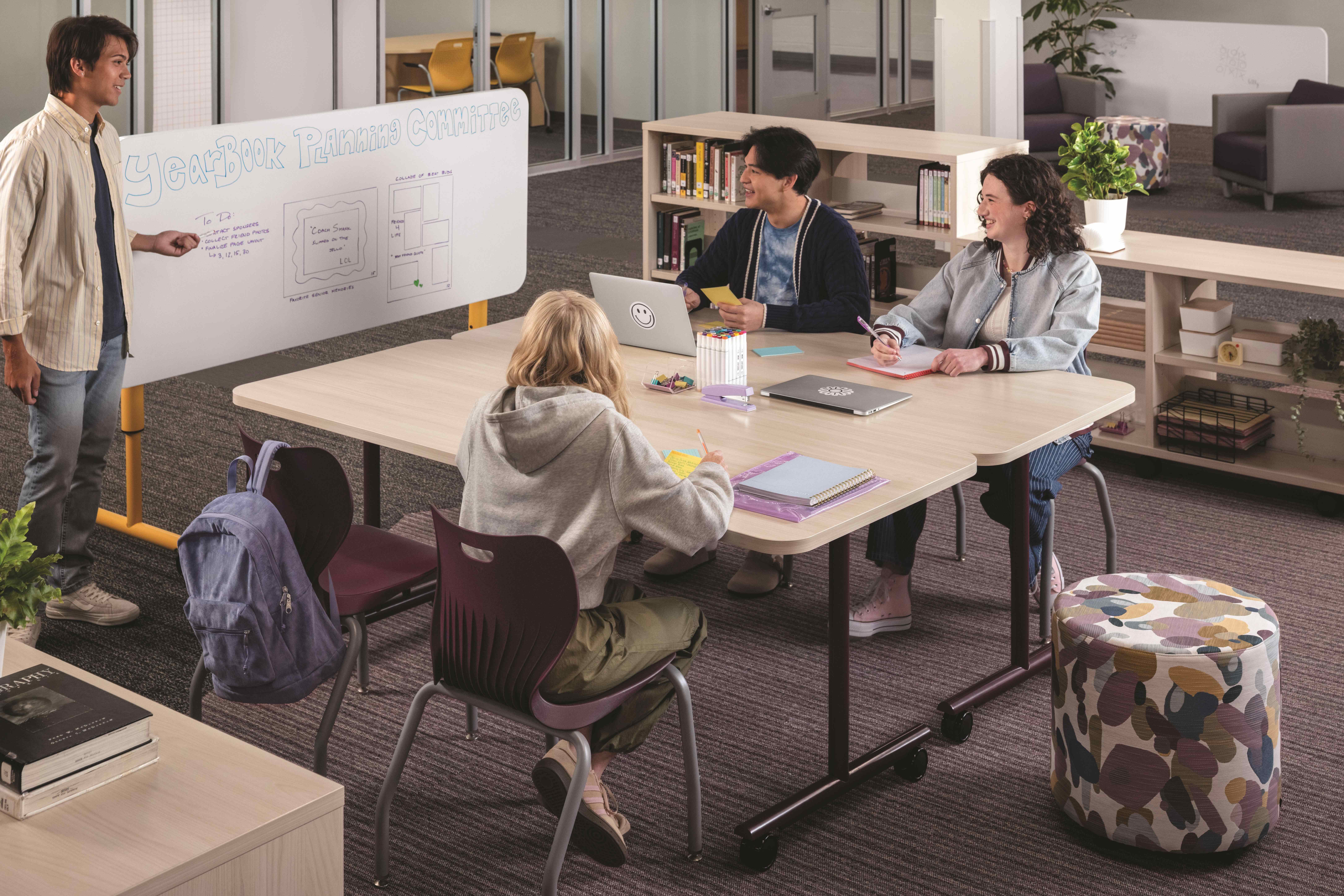
When K–12 environments are intentionally designed around three core pillars—Choose with Confidence, Move with Purpose, and Thrive with Possibilities—they become more than physical spaces. They become active contributors to learning, engagement, and well-being.
Together, these principles work as a system rather than isolated ideas:
- Choice builds ownership and discovery
- Movement builds engagement and sustains momentum
- Well-being builds belonging and inclusion
And in combination, they shape learning environments where students can grow with confidence, educators can teach with flexibility, and schools can thrive as connected communities.
At its core, Learning Without Limits is about designing with people at the center and building environments that evolve as education itself continues to change.