


Natural environments, indoor and outdoor alike, do real pedagogical work: they can lower stress, sharpen attention, and give students concrete sensory inputs to observe, describe, and write about. Physical design is pedagogical design, and that’s the case for treating natural learning environments as part of K-12 literacy instruction, not an enrichment add-on. Biophilic interiors, outdoor classrooms, classrooms that open to courtyards or gardens: each one changes what’s possible in a literacy lesson. Building these spaces well takes real planning, flexible furnishings, intentional layouts, and a willingness to treat a school’s physical footprint as curriculum, not just as the container it happens in.
What Counts as a Natural Learning Environment
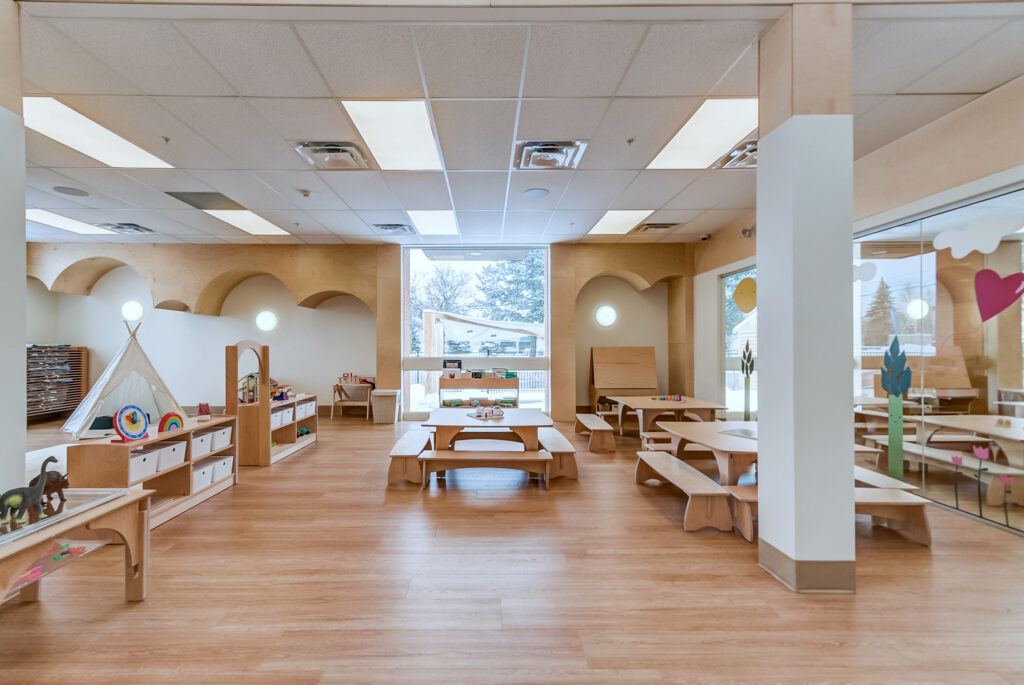
A natural learning environment isn’t defined by a location so much as by access: fresh air and daylight matter more than whether a space sits indoors, outdoors, or somewhere in between. It can be an outdoor space with weather-resistant seating, writing surfaces, and natural shelter. It can be a transitional space, like a covered pavilion or courtyard hub that opens onto the school garden. Or it can live entirely indoors, in a biophilic classroom built with natural textures, live plants, daylight, and organic color palettes.
When students read, write, and talk inside these spaces, cognitive fatigue drops and engagement rises. Nature acts as a second teacher. It hands students real-world context that makes vocabulary and narrative structure make sense, instead of asking them to memorize words with no anchor in their physical world.
Literacy Across the K-12 Continuum
Natural environments support language and literacy at every stage of learning, though the mechanism shifts as kids get older. It starts as sensory exploration for the youngest learners, grows into descriptive language vocabulary building through elementary school, and matures into critical analysis and peer discourse by secondary grades.
Early Childhood, Pre-K, and Kindergarten
Young children learn the “language of their environment” before they learn much else. Tactile and outdoor play turn abstract linguistic concepts into something they can touch. Research on biophilic design shows nature-based learning environments measurably lower student stress compared to standard classrooms (Determan & Akers, 2019). For young children, less stress means more room for phonemic awareness, vocabulary growth, and letter-sound recognition.
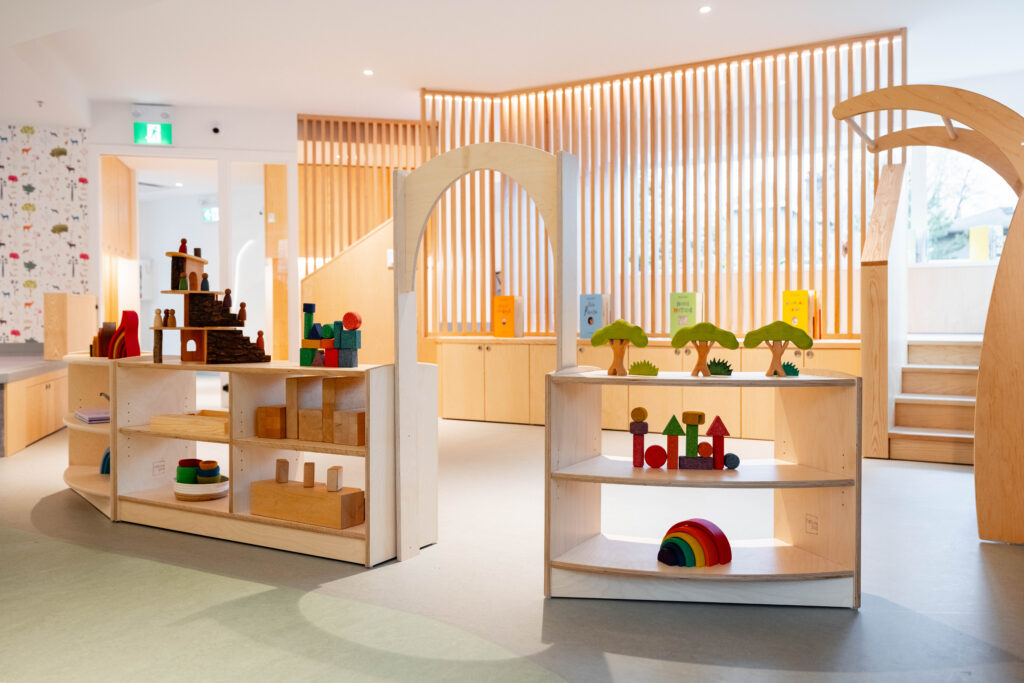
Dramatic play, sandbox building, and outdoor movement give kids concrete settings for practicing oral language. Even the sounds outside do some of the teaching: rustling leaves, birdsong, and crunching gravel train a child’s ear to tell sounds apart, which feeds straight into phonemic awareness. A biophilic classroom does similar work indoors, where soft textures, natural light, and open floor space invite the same kind of physical, hands-on play.
The design features here don’t need to be elaborate. Let kids draw letters in sand or shape them out of stones and sticks outside. Indoors, press letters into clay or arrange them from natural loose parts. Furnish both zones with mobile, low storage units they can move on their own, so materials travel easily between indoor and outdoor space without an adult carrying everything back and forth.
Elementary School
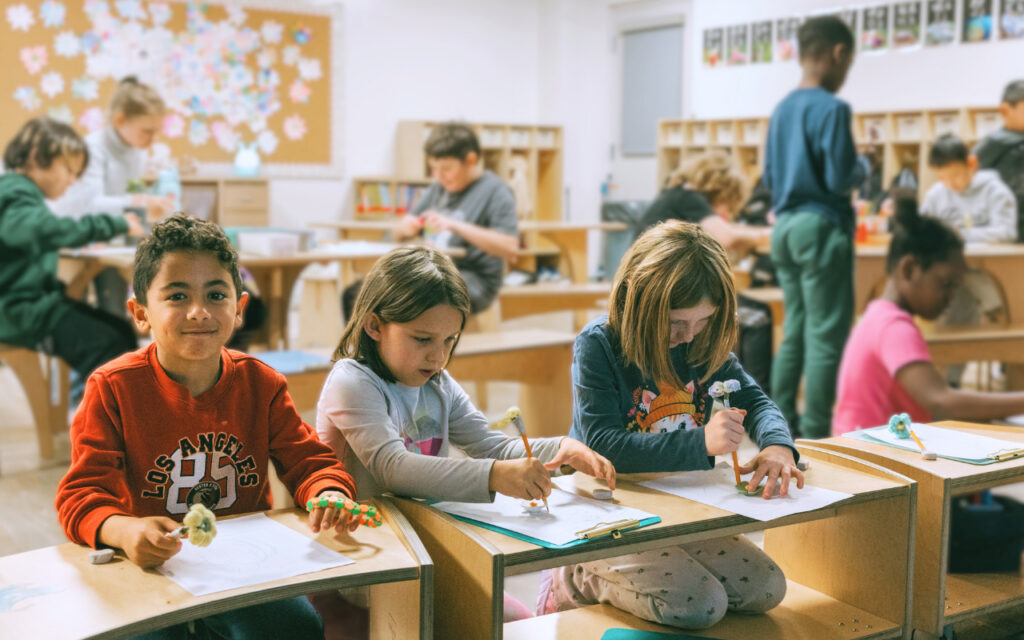
By elementary school, the environment, indoors or out, becomes a place to build vocabulary and descriptive writing. Sensory gardens and natural landscapes let students observe seasonal cycles, compare textures, and track changes over time. That gives adjectives and action verbs something real to describe, rather than a worksheet definition. The same is true in a natural indoor space. A classroom staged with natural materials, real wood surfaces, and living plants gives students sensory input when they can’t step outside. Outdoor reading circles and nature-based texts connect background knowledge to the page, and an indoor reading nook, built with natural materials and textures, does similar work on rainy days. That connection builds comprehension and reading stamina.
Design for this age group means defined outdoor reading zones and flexible gathering circles that cut ambient noise, so kids can actually focus during read-alouds and guided reading activities. Indoors, wood furnishings, soft natural lighting, and a variety of seating create the same kind of focus. Mobile seating, like portable floor cushions, benches, or simple stools, moves easily between individual reading and small-group discussion whether inside or out.
Middle and High School
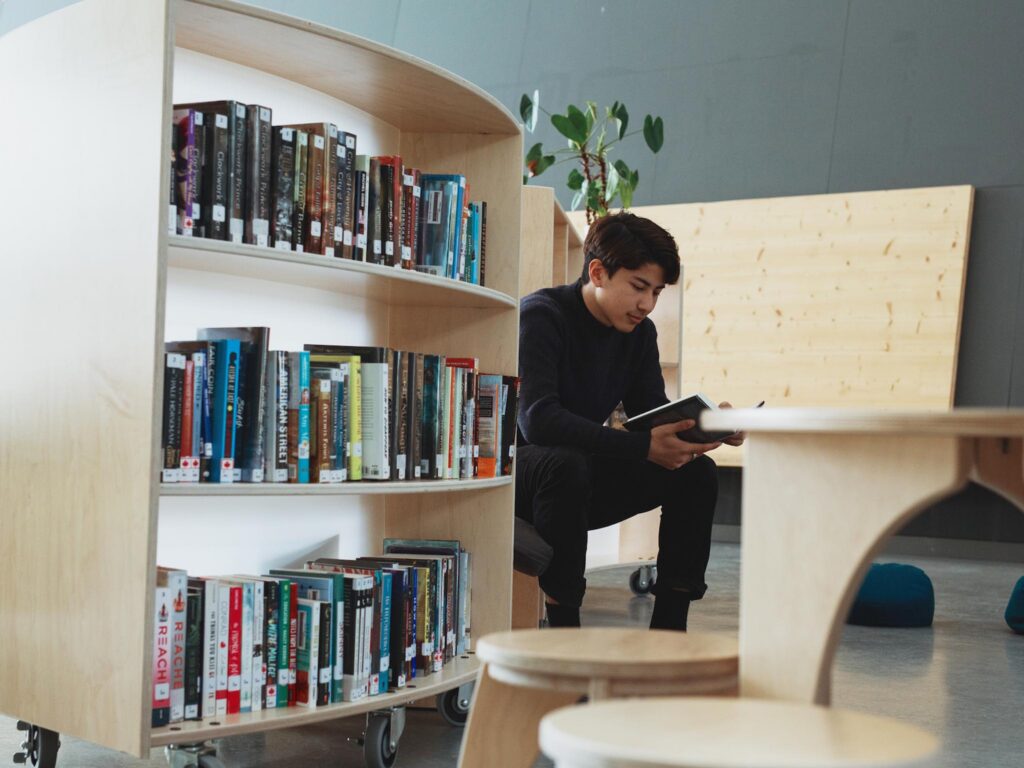
For older students, natural spaces shift from discovery zones to spaces for focus and discourse. Outdoor courtyards and biophilic interiors give students a quieter, lower-stress setting for Socratic seminars and literary circles. Field journaling, environmental research, and technical or persuasive writing all connect scientific observation to literacy work directly, which matters as students will need both skills well past graduation. Adjustable height tables that can support floor to seated height level collaboration allow students to seamlessly transition between formal and informal areas of collaboration.
Secondary students carry heavy cognitive loads across a full course schedule. Natural light, greenery, and views of nature help restore the attention needed for longer critical thinking and analysis sessions. In practice, that means outdoor amphitheaters or bench seating for group seminars alongside indoor spaces with the same qualities (daylight, greenery, and natural materials that don’t feel institutional). Wi-Fi access and anti-glare shading let students do digital reading and research in either setting.
Bridging Design and Pedagogy
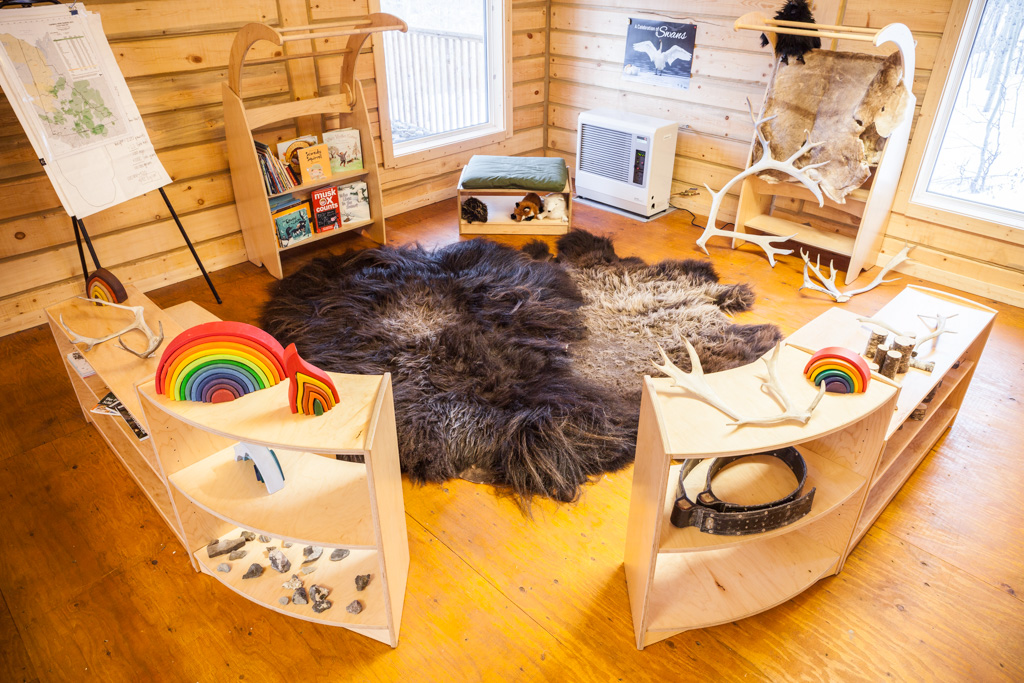
Storage has to sit where it’s needed. If literacy materials require a ten-minute trip to a closet for either outdoor gear or indoor manipulatives, teachers won’t bother, no matter how good the space is. Storage, built from materials sturdy enough to take daily handling, should sit directly inside or next to the learning zone itself.
Noise is the other problem, and it’s often overlooked indoors as much as out. Wind, traffic, and HVAC equipment can interfere with phonemic awareness and comprehension outside. Indoors, plastic and metal furnishings reflect sound back into the room while natural materials like wood and cork help to absorb sound, resulting in a calmer space.
Seasons matter too. Shade sails, radiant heating, and covered pergolas extend the number of usable outdoor days. Indoors, a room with real daylight access and natural textures and materials stays comfortable throughout the school year.
Why This Matters Now
National reading scores back this up. The Nation’s Report Card finds only about 37% of high school seniors read at or above the proficient level and the Associated Press reports that the average reading scores for twelfth graders have declined steadily since the pandemic. The gap between the highest and lowest achieving students is growing wider. Harvard researchers and PBS NewsHour point to the same conclusion from different angles: curriculum alone won’t fix this. How and where students read and write matters too.
Bringing natural environments into K-12 literacy instruction has research behind it: better student well-being, stronger engagement, improved reading comprehension. Collaboration between educators and designers is what turns that research into natural learning environments that learners actually want to spend time in.
None of this replaces good teaching. It just gives good teaching somewhere better to happen. Curriculum tells students what to learn. The physical environment tells them how far they can take it. Get both right, and literacy stops being something that happens despite the space and starts being something the space makes room for.