

The Hidden Struggle on Campus
Today, college campuses are navigating a complex challenge. Students aren’t just showing up to earn degrees. They’re also arriving with rising levels of anxiety, loneliness, and a real need for connection. The pandemic made this worse, but these issues have been building for years. What higher education needs now is not just academic rigor, but new ways to bring people together. Traditional curricula and even student life programming have struggled to meet that need. It’s time to adopt something more radical and more human: the Human Library.
What is the Human Library?
The Human Library flips the script. Instead of borrowing books, participants “check out” people, individuals with lived experience of social stigma, marginalization, or difference, and engage in honest, judgment-free conversations. The result is empathy, understanding, and connection across lines of identity and belief. For institutions that exist to expand minds, the payoff goes well beyond tolerance. It builds social capital, emotional resilience, and fosters a campus culture of belonging.
The Human Library was born in Copenhagen in 2000 and has since spread to over 80 countries. At its core, the Human Library is a “safe framework” for difficult conversations. Volunteers, the “books,” make themselves available to lend their experiences to “readers” who want to ask questions they might never have the courage to ask otherwise. Topics often include life as a refugee, someone with a disability, a transgender person, a formerly incarcerated person, a veteran, a sex worker, or someone whose appearance challenges social norms.

Why This Model Works
The power of the model comes from its simplicity and humanity. As one participant summed it up, the experience was “powerful and moving.” The Human Library isn’t about lectures or political correctness; it’s about listening, empathy, and real human voices.
Imagine what this could do on a college campus. In a world where students often self-sort into social bubbles, where digital interactions can replace face-to-face conversations, the Human Library offers something refreshingly simple: the chance to connect. Whether it’s speaking with someone who’s lived as a refugee, a veteran, or an older adult with decades of life experience, these conversations can spark growth in ways textbooks can’t.
Mental Health and the Need for Connection
Recent decades and especially the pandemic have not only disrupted academic study but also damaged the social fabric that once helped young adults grow into emotionally healthy, socially competent citizens. A 2024 study published in the Journal of Affective Disorders examined mental health trends over three decades and found a sharp increase in anxiety and depressive disorders globally. The burden of these disorders, measured in disability-adjusted life years (DALYs), rose most notably among people aged 20 to 24, the very demographic that fills our college campuses. Students today are navigating more than just coursework; they’re facing serious emotional and psychological challenges.
Meanwhile, college is supposed to be the place where students grow not just intellectually, but socially and emotionally. That growth is harder to achieve when students are siloed, lonely, or only interacting with people who look, think, and live like they do.
Older Adults as Living Books
The Human Library is one answer. It creates space for difficult but meaningful conversations. It builds empathy, challenges assumptions, and promotes real dialogue. One of the most exciting ways to expand this model is by including older adults as part of the library.
Why? Because seniors have something students often lack: perspective. Their stories span decades of change, hardship, resilience, and growth. They offer living history, something we rarely get in a classroom setting. These conversations are more than just interesting; they’re deeply educational.
Intergenerational Learning in Practice

This concept is already gaining traction. On the Alternative Design Podcast, an episode titled “The Quad’s Oldest Residents” explored how some seniors are moving into student housing. It might sound unusual at first, but it works. These living arrangements foster mentorship, shared learning, and intergenerational friendships. It’s not just about cohabiting, it’s about connecting.
Now imagine building Human Library sessions into that model. Seniors could be available as “books,” offering students a chance to hear first-hand what it’s like to navigate everything from societal change to personal loss. And students, in return, can share their world with someone who’s eager to understand a new generation.
Designing for Psychological Safety
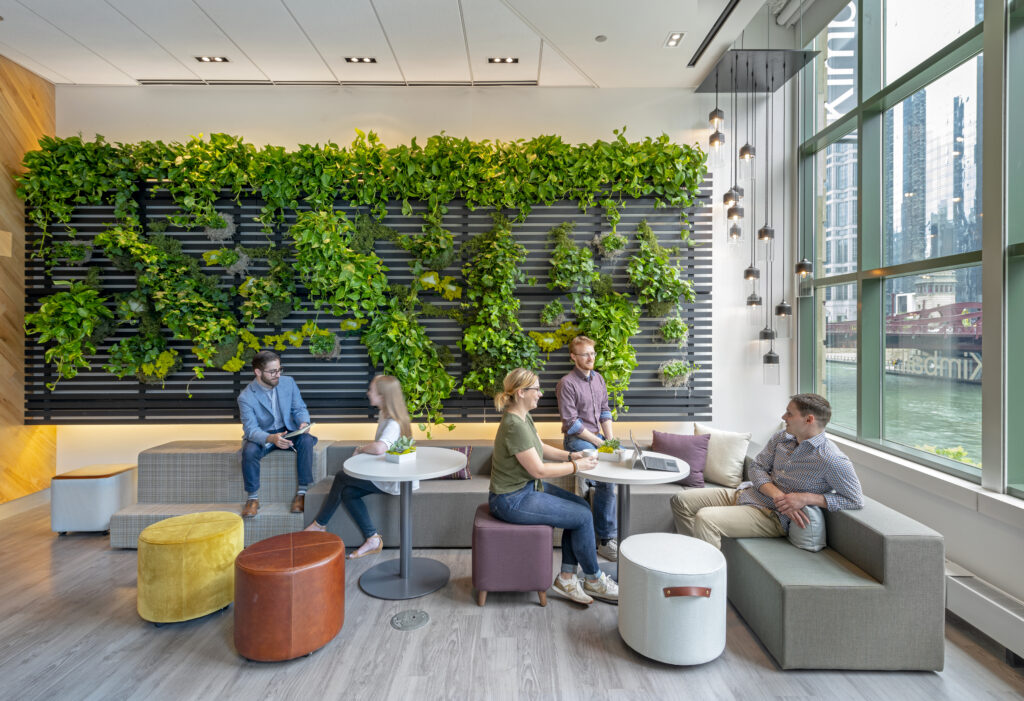
But for this to work, the environment matters. The spaces where these conversations happen need to feel safe, inclusive, and welcoming. That means thinking about design: soft lighting, comfortable seating, soundproofing, and privacy. Trauma-informed, sensory-friendly spaces can make all the difference in creating a sense of psychological safety for both the book and the reader.

Trauma-informed design recognizes that physical environments influence emotional well-being and that many students carry hidden emotional wounds. Specific interventions might include minimizing harsh lighting, reducing overwhelming visual stimuli, ensuring acoustic comfort, and providing predictable and calm spaces. Elements like wide, unobstructed sight lines can help reduce feelings of threat, while private nooks or alcoves can offer participants a sense of refuge.
Sensory design also plays a pivotal role in shaping experience. A 2025 study published in Frontiers in Psychology found that soothing colors such as light, low-saturation tones, soft textures, and semi-enclosed, semi-partitioned forms were most effective at promoting relaxation and reducing anxiety in young adults with moderate to severe emotional distress. These details can support students and readers in remaining open, grounded, and engaged, especially in conversations that require vulnerability.
More Than a Program: A Learning Tool
This kind of programming should be seen as a powerful tool for learning. The Human Library isn’t just a diversity initiative or a mental health support. It’s a way to teach students how to be better listeners, more empathetic peers, and more open-minded citizens. Those are skills they’ll carry long after graduation.
Let’s make space for more stories. Our students need them.
How Colleges Can Get Started
- Partner with or license from the Human Library Organization
- Recruit a diverse roster of “books”
- Design safe, welcoming spaces
- Integrate into curricula and student life programming
- Measure and study impact
A Call to Action
At a time when our society feels more divided than ever, when students are struggling to connect and understand one another or feel like they belong, we need tools that build bridges. The Human Library is one of them. It’s not a gimmick. It’s not a trend. It’s a deeply human way to restore what college is really supposed to be about: growth, community, and connection. Let’s make space for more stories. Our students need them.